Thomas Babington Macaulay, Lord Macaulay
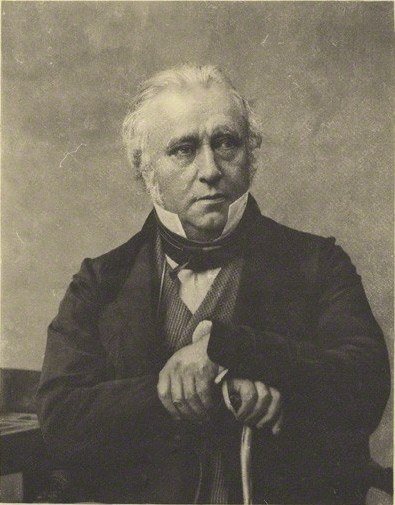
Thomas Babington Macaulay, 1st Baron Macaulay (; 25 October 1800 – 28 December 1859) was a British historian, poet and Whig politician who served as the Secretary at War between 1839 and 1841, and as the Paymaster General between 1846 and 1848. He is best known for his The History of England, a seminal example of Whig history, which expressed Macaulay's belief in the inevitability of sociopolitical progress and has been widely commended for its prose style. Whig historians, including Macaulay, supported the position of the Roundheads in the English Civil War of 1642 to 1651.
Macaulay also played a substantial role in determining India's education policy.
Macaulay was born at Rothley Temple in Leicestershire on 25 October 1800, the son of Zachary Macaulay, a Scottish Highlander, who became a colonial governor and abolitionist, and Selina Mills of Bristol, a former pupil of Hannah More. They named their first child after his uncle Thomas Babington, a Leicestershire landowner and politician, who had married Zachary's sister Jean. The young Macaulay was noted as a child prodigy; as a toddler, gazing out of the window from his cot at the chimneys of a local factory, he is reputed to have asked his father whether the smoke came from the fires of hell.
Biography adapted from the Wikipedia article “Thomas Babington Macaulay”, CC BY-SA. Read it there.