Stephen Hawes
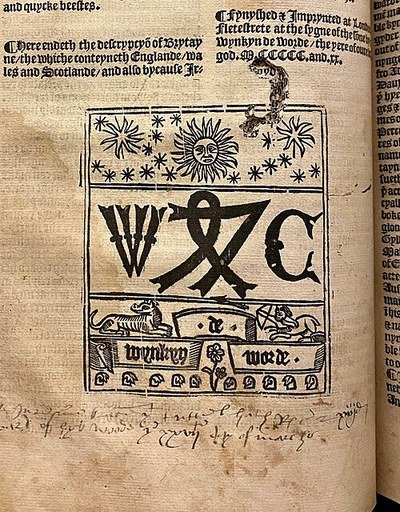
Stephen Hawes (c. 1474 – 1523) was an English poet of the Tudor period.
He was probably born in Suffolk when the surname was common. If his own statement of his age may be trusted, he was born about 1474. He was educated at Oxford and travelled in England, Scotland and France. On his return his various accomplishments, especially his most excellent vein in poetry, procured him a place at court. He was Groom of the Chamber to Henry VII as early as 1502. According to Anthony Wood, he could repeat by heart the works of most of the English poets, especially the poems of John Lydgate, whom he called his master. He was still living in 1521, when it is stated in Henry VIII's household accounts that £6, 13s. 4d. was paid to Mr Hawes for his play; he died before 1530, when Thomas Field, in his Conversation between a Lover and a Jay, wrote "Yong Steven Hawse, whose soule God pardon, Treated of love so clerkly and well".
Some critics, notably C. S. Lewis, have treated Hawes dismissively: "faculty was what he lacked; there was more and better poetry in him than he could express", referring to his "broken-backed metre and dull excursions into the seven liberal arts". But his metre is not consistently broken-backed: from time to time (though not very often) one encounters lines that would not have disgraced either Chaucer before him or Spenser after him: "The fragraunt fumes / dyde well encense out // All mysty vapours / of perturbacyon // ore lyker was / her habytacyon // Vnto a place / whiche is celestyall // Than to a terrayne / mancyon fatall" or "By her propre hande / soft as ony sylke // With due obeysaunce / I dyde her than take // Her skynne was whyte / as whalles bone or mylke // My thoughtes was rauysshed / I myght not aslake // My brennynge hert / she the fyre dyde make // These daunces truely / musyke hath me tought // To lute or daunce / but it auayled nought" and so on, where, so long as one pronounces at least some of the final e's, the metre seems to work quite well.
Biography adapted from the Wikipedia article “Stephen Hawes”, CC BY-SA. Read it there.