Pedro Calderón de la Barca
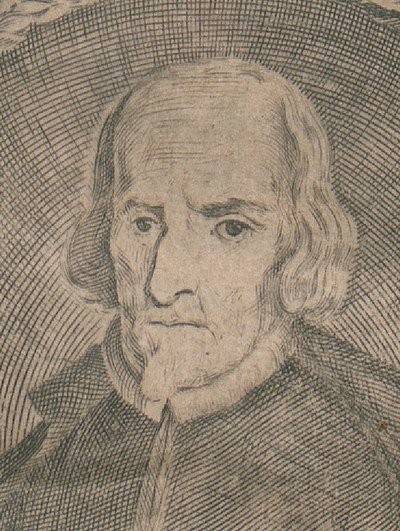
Pedro Calderón de la Barca y Henao (UK: , US: ; Spanish: [ˈpeðɾo kaldeˈɾon de la ˈβaɾka]; 17 January 1600 – 25 May 1681) was a Spanish dramatist, poet, and writer. He is known as one of the most distinguished poets and writers of the Spanish Golden Age, especially for the many verse dramas he wrote for the theatre. Calderón has been termed "the Spanish Shakespeare", the national poet of Spain, and one of the greatest poets and playwrights in the history of world literature.
Calderón de la Barca was born into the minor Spanish nobility in Madrid, where he lived for most of his life. He served as soldier and a knight of the military and religious Order of Santiago, but later became a Roman Catholic priest. His theatrical debut was a history play about the life of King Edward III of England; it was first performed on 29 June 1623 at the Royal Alcázar of Madrid, during the surprise visit to Spain of Charles, Prince of Wales to negotiate for a dynastic marriage alliance with the Spanish Habsburgs.
As he continued writing verse dramas, Calderón's favorite theatrical genres included mystery plays illustrating the doctrines of Transubstantiation and the Real Presence for performance during the Feast of Corpus Christi and both comedy of intrigue and tragic theatre rooted in many of the same plot devices as Shakespeare's plays and in ethical dilemmas under the Spanish nobility's code of honour. Born while the unwritten rules of Spanish Golden Age theatre were still being defined by Lope de Vega, Calderón pushed their limits even further by introducing radical and pioneering innovations that are now termed metafiction and surrealism.
Biography adapted from the Wikipedia article “Pedro Calderón de la Barca”, CC BY-SA. Read it there.