John Greenleaf Whittier
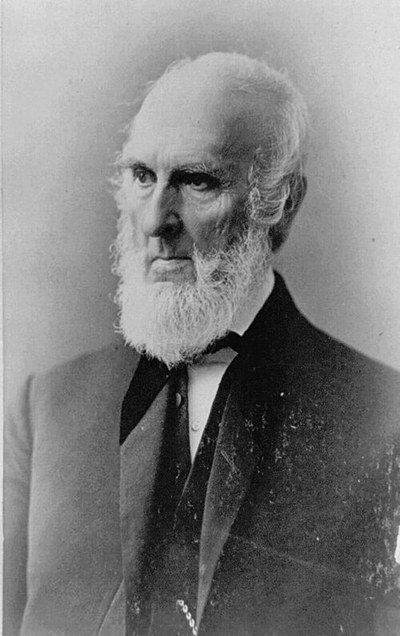
John Greenleaf Whittier (December 17, 1807 – September 7, 1892) was an American Quaker poet and advocate of the abolition of slavery in the United States. Frequently listed as one of the fireside poets, he was influenced by the Scottish poet Robert Burns. Whittier is remembered particularly for his anti-slavery writings, as well as his 1866 book Snow-Bound.
Whittier was born to John and Abigail (née Hussey) Whittier at their rural homestead in Haverhill, Massachusetts, on December 17, 1807. His middle name is thought to mean feuillevert, after his Huguenot forebears. He grew up on the farm in a household with his parents, a brother and two sisters, a maternal aunt and paternal uncle, and a constant flow of visitors and hired hands for the farm. As a boy, it was discovered that Whittier was color-blind when he was unable to see a difference between ripe and unripe strawberries.
The farm was not very profitable, and there was only enough money to get by. Whittier himself was not cut out for hard farm labor and suffered from bad health and physical frailty his whole life. Although he received little formal education, he was an avid reader who studied his father's six books on Quakerism until their teachings became the foundation of his ideology. Whittier was heavily influenced by the doctrines of his religion, particularly its stress on humanitarianism, compassion, and social responsibility.
Biography adapted from the Wikipedia article “John Greenleaf Whittier”, CC BY-SA. Read it there.