James Beattie
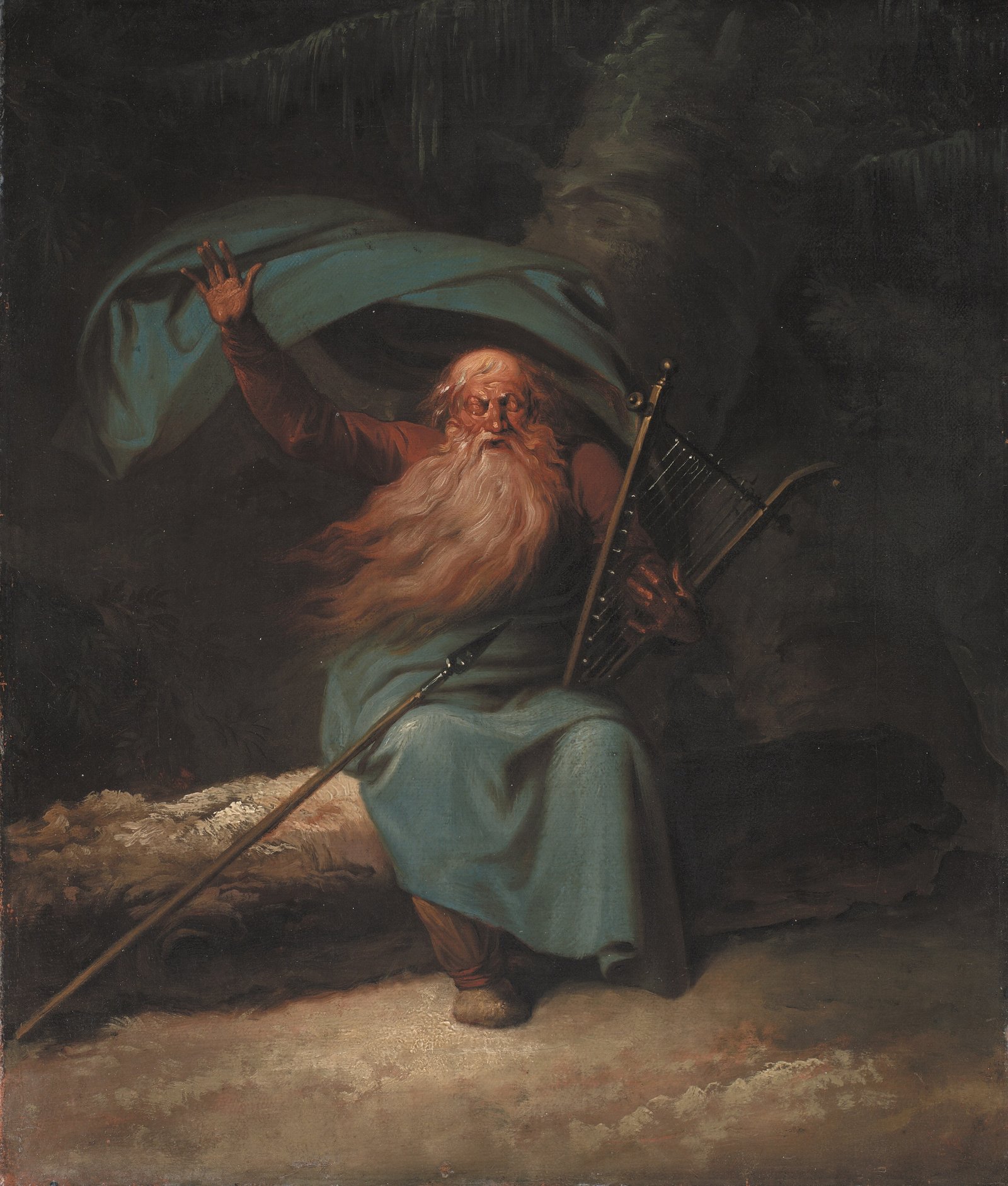
James Beattie (; 25 October 1735 – 18 August 1803) was a Scottish poet, moralist, and philosopher.
He became the schoolmaster of the parish of Fordoun in 1753. He took the position of usher at the grammar school of Aberdeen in 1758.
In 1760, he was, to his surprise, appointed Professor of Moral Philosophy at Marischal College (later part of Aberdeen University) as a result of the influence exerted by his close friend, Robert Arbuthnot of Haddo. In the following year, he published a volume of poems, The Judgment of Paris (1765), which attracted attention. But the two works that brought him most fame were An Essay on the Nature and Immutability of Truth, and his poem of The Minstrel. The Essay, intended as an answer to David Hume, had great immediate success, and led to an introduction to the King, a pension of £200, and the degree of LL.D. from Oxford. The first book of The Minstrel was published in 1771 and the second in 1774, and constitutes his true title to remembrance, winning him the praise of Samuel Johnson. It contains much beautiful descriptive writing.
Biography adapted from the Wikipedia article “James Beattie (poet)”, CC BY-SA. Read it there.