Apollonius of Rhodes
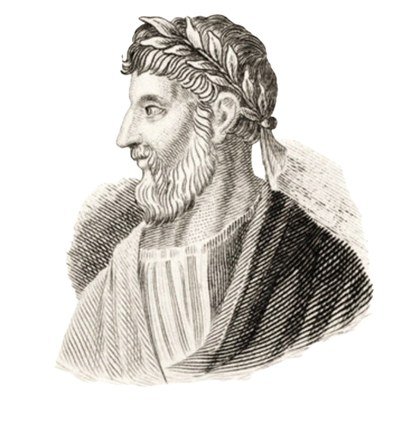
Apollonius of Rhodes (Ancient Greek: Ἀπολλώνιος ὁ Ῥόδιος, Apollṓnios o Rhódios; Latin: Apollonius Rhodius; fl. first half of 3rd century BC) was an ancient Greek author, best known for the Argonautica, an epic poem about Jason and the Argonauts and their quest for the Golden Fleece. The poem is one of the few extant examples of the epic genre and it was both innovative and influential, providing Ptolemaic Egypt with a "cultural mnemonic" or national "archive of images", and offering the Latin poets Virgil and Gaius Valerius Flaccus a model for their own epics. His other poems, which survive only in small fragments, concerned the beginnings or foundations of cities, such as Alexandria and Cnidus, which were places of interest to the Ptolemies, whom he served as a scholar and librarian at the Library of Alexandria. A literary dispute with Callimachus, another Alexandrian librarian/poet, is a topic much discussed by modern scholars since it is thought to give some insight into their poetry, although there is very little evidence that there ever was such a dispute between the two men. In fact, almost nothing at all is known about Apollonius and even his connection with Rhodes is a matter for speculation. Once considered a mere imitator of Homer, and therefore a failure as a poet, his reputation has been enhanced by recent studies, with an emphasis on the special characteristics of Hellenistic poets as scholarly heirs of a long literary tradition writing at a unique time in history.
Birth. The two Lives and the Suda name Apollonius' father as Silleus or Illeus, but both names are very rare (hapax legomenon) and may derive from σίλλος or "lampoon", suggesting a comic source (ancient biographers often accepted or misconstrued the testimony of comic poets). The second Life names his mother as "Rhode", but this is unlikely; Rhodē means "Rhodian woman", and is almost certainly derived from an attempt to explain Apollonius' epithet "Rhodian". The Lives, the Suda, and the geographical writer Strabo say that he came from Alexandria; Athenaeus and Aelian say that he came from Naucratis, some 70 km south of Alexandria along the river Nile. No source gives the date of his birth.
Association with Callimachus. The Lives and the Suda agree that Apollonius was a student of the poet and scholar Callimachus. Vita B states that Callimachus was his instructor in rhetoric (γραμματικός), but the terminology is anachronistic. Moreover, in ancient biographies "pupil" and "student" are figures of speech designating the influence one poet may have exercised over another. Their poetic works do in fact indicate a close relationship, if only as authors, with similarities in theme and composition, style and phrasing, but it is not easy to work out who was responding to whom, especially since 'publication' was a gradual process in those days, with shared readings of drafts and circulation of private copies: "In these circumstances interrelationships between writers who habitually cross-refer and allude to one another are likely to be complex."
Biography adapted from the Wikipedia article “Apollonius of Rhodes”, CC BY-SA. Read it there.